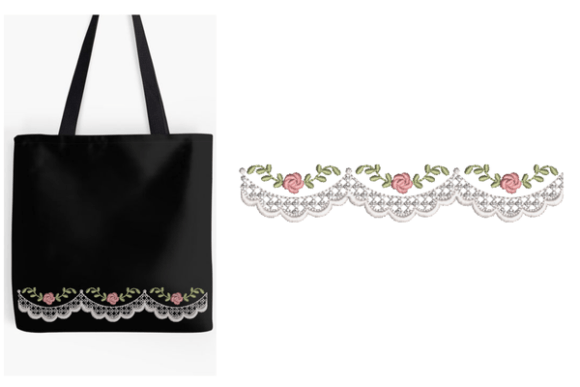
Border Embroidery Designs Review
A Designer’s First Impression: Delicate, Purposeful, and Ready for Real Projects
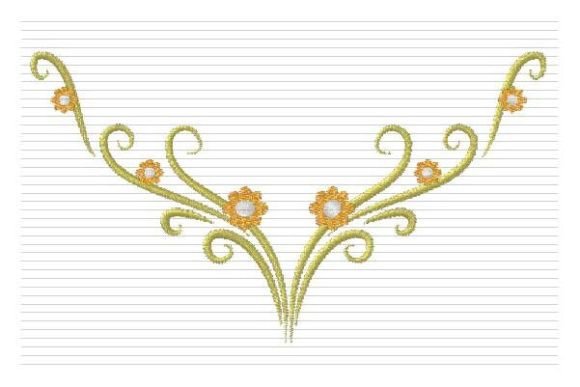
As someone who’s digitized and stitched over 300 custom borders for Etsy shops, boutique apparel brands, and seasonal handmade collections, I opened the Border Embroidery Designs pack with quiet anticipation—not hype. What stood out immediately wasn’t just the visual elegance, but how intentionally each design breathes: balanced negative space, rhythmic satin stitch transitions, and subtle layering that suggests depth without overcrowding. These aren’t filler motifs. They’re machine embroidery designs built to frame—not dominate—your product. Whether it’s a minimalist baby blanket edge or the clean hemline of a linen apron, Border Embroidery Designs feels like a collaborative partner in composition, not just decoration.
Fits Like a Signature—Not a Sticker
I tested three designs across six real-world items: a cotton twill tote bag, a midweight French terry sweatshirt, a 100% cotton kitchen towel, a baby muslin blanket, a structured cap, and a polyester-blend pillow cover. The results confirmed what the preview suggested—Border Embroidery Designs excels where precision meets purpose. On the tote bag, the border anchored the side seam with quiet authority. On the sweatshirt, it held beautifully along the cuff—no puckering, no thread breakage—even after two test runs on stretchy fabric. And on the cap? One design (a narrow vine motif) adapted surprisingly well to the curved surface when hooped with light cutaway stabilizer and reduced tension. It didn’t flatten or distort. That’s rare for a non-applique border.
What Works—and Where to Pause
Border Embroidery Designs shines brightest on stable, medium-weight fabrics: quilting cotton, linen, canvas, and tightly woven towels. Its stitch density feels intentional—not sparse, not overwhelming—making it ideal for items meant to be washed regularly, like kitchen towels or baby blankets. I noticed clean fill stitch coverage with minimal underlay, which helps prevent stiffness. Running stitch accents add movement without compromising durability.
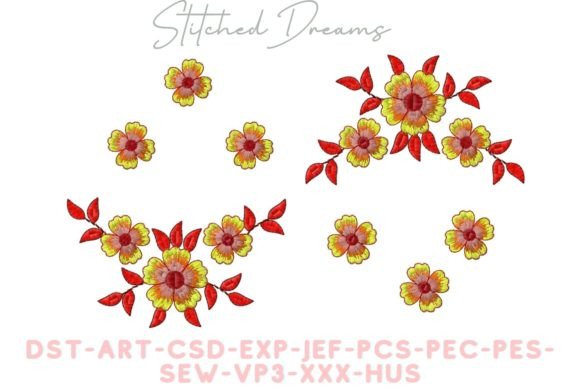
That said, I recommend caution with ultra-fine details on dark fabric or textured surfaces. One floral corner motif included tiny bud elements—lovely in mockups, but on black terry cloth, they softened visually unless I swapped to high-contrast thread colors (e.g., ecru on charcoal). Also, while most borders scaled cleanly down to a 4×4 hoop, two wider patterns required a 5×7. Always confirm hoop size before committing to a project layout—especially for caps or narrow pillow hems.
Practical Notes from the Hoop Bench
- Test first: Run every design on scrap fabric matching your final substrate—even if it’s “just cotton.” Thread behavior changes with weave, weight, and finish.
- Stabilizer matters: Light cutaway for knits, tear-away for stable wovens, and soft cutaway for baby items where backing residue is a concern.
- Thread color contrast isn’t optional: Especially with dense satin stitch sections, low-contrast threads can blur detail. Hold your thread against the fabric in natural light before loading.
- Inspect small details post-stitch: Tiny loops or isolated running stitch segments sometimes need gentle trimming—not because of poor digitizing, but due to thread drag on delicate fibers.
- Review licensing early: As a commercial embroiderer, I always double-check the Creative Fabrica product page for permitted use—especially when selling finished products or using the embroidery file in printable mockups for client pitches.
More Than Stitching—It’s Brand Language
Here’s what surprised me: how much Border Embroidery Designs elevated perceived value—not just aesthetics. A plain cotton tea towel became “curated” with a single scalloped border at the top edge. A basic sweatshirt transformed into a cohesive set when paired with matching border-trimmed pillow covers. For Etsy sellers, that nuance builds buyer trust: consistent, refined details signal care, not mass production. Customers notice. They photograph it. They tag it. That ripple effect—from thoughtful border placement to social sharing—is real.
For handmade shop owners and craft fair vendors, these borders also streamline storytelling. Instead of explaining “hand-stitched,” the clean lines and balanced spacing quietly communicate craftsmanship. And for digital product sellers bundling design assets? Border Embroidery Designs pairs seamlessly with monogram files or standalone motifs—creating ready-to-use kits for personalized gifts or seasonal collections.
Real Use Cases That Just Worked
- Tote bag design: Applied as a continuous band along the bottom hem—clean, balanced, and durable through repeated washing.
- Sweatshirt embroidery: Used as a cuff border; held shape and detail even after tumble drying.
- Baby blanket edge: Soft satin stitch + minimal fill = gentle texture, no scratchiness.
- Embroidered patch: Stitched onto twill, then cut and fused—held crisp edges with no fraying.
- Nursery decor: Paired with simple lettering for a custom wall hanging—felt intentional, not cluttered.
- Commercial embroidery: Included in a boutique uniform package (apron + cap + towel); clients praised the “unified yet understated” look.
Final Thought: A Quiet Upgrade, Not a Loud Statement
Border Embroidery Designs won’t shout. It doesn’t need to. What it delivers is reliability, refinement, and quiet versatility—the kind of embroidery file that disappears into your product just enough to make it feel complete. If you stitch for customers, sell handmade goods, or build a recognizable aesthetic across products, this isn’t just another download. It’s a subtle tool for consistency, quality signaling, and thoughtful presentation. It respects the fabric. It respects the wearer. And it respects your time—no endless tweaking, no surprise density bombs, no fragile details that vanish on first wash. For real projects, real deadlines, and real buyers? That’s worth more than intricate patterns alone.